|
Compounds that may be either emesis-reducing, or emesis-inducing are most often tested with ferrets. This model is considered the gold standard for this purpose, and NDI is especially pleased that our studies with this model are conducted by one of the top emesis research groups in the world.
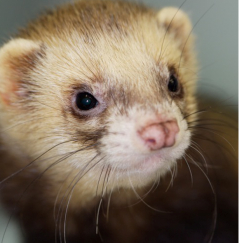
Emesis is usually produced with chemical agents, such as the chemotherapeutic cisplatin. The test compound is then administered acutely or chronically, and its effects on nausea, retching, and vomiting are measured. The value of this model in identifying emesis-reducing agents has been most evident in the discovery of the anti-emetic properties of 5-HT3 and NK1 receptor antagonists.
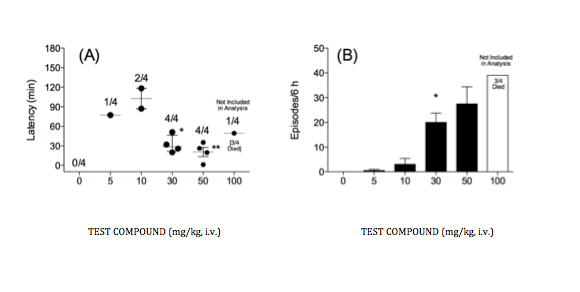
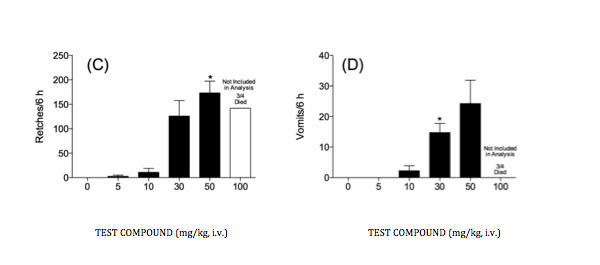
Increasingly, this model has been used for the opposite goal: to evaluate possible emetic properties of a compound developed for other purposes. For example the data below illustrate a test compound’s effect on latency to the first emetic episode, the number of episodes in a 6-hr period, and the number of specific retching and vomiting events during the same time period. Different time periods of measurement may be used.
A compound’s effect on nausea alone may be measured by first withholding food to an untreated animal, waiting 8-12 hours, then administering the test compound, followed by providing food and measuring latency to begin eating plus amount of food consumed. Nausea is inferred by reduced interest in eating. (
For an example of a redacted final report [Click here].
Motion sickness
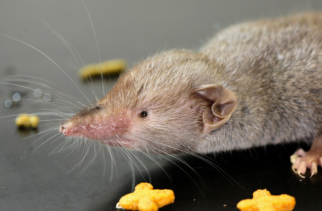
Ferrets do not become motion-sick, so to evaluate the anti-emetic properties of compounds developed for treating motion sickness another animal model is used, the house musk shrew (Suncus murinus). This animal does exhibit emesis when subjected to vigorous horizontal displacement. The emesis research group conducting NDI studies has used this model extensively as well, most notably to identify potent anti-emetic properties of tachykinin NK1 receptor antagonists.
In Vitro Profiling and Comparing Gastrointestinal Activity
Gastrointestinal activity of test compounds can be determined and compared with known compounds using a proprietary methodology for recording from different types of tissue slices. The profile is determined in a week and compared with a database that permits >16 billion correlation tests with known emetic and anti-emetic compounds.
For a comprehensive description of our pre-clinical emesis models and assays, [click here].
|